


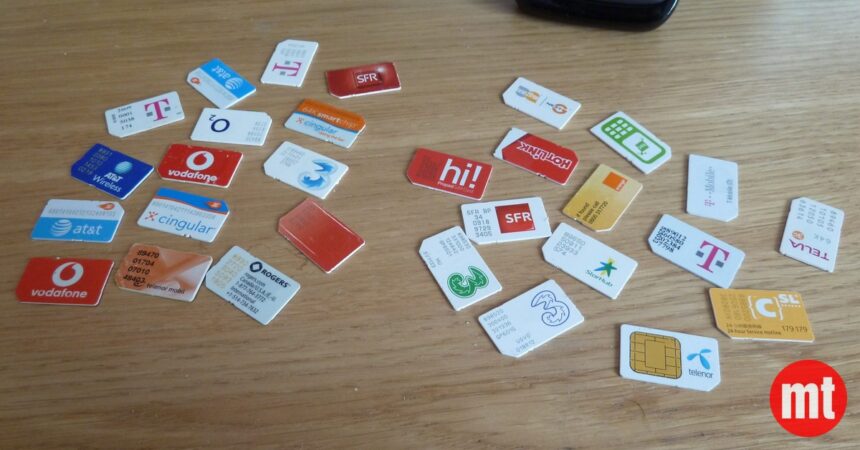
Duplicate SIM UPI fraud has exposed a deep structural vulnerability in India’s digital payments architecture, a Karnataka High Court ruling confirmed in June 2026. A telecom operator’s negligent issuance of a duplicate SIM handed a fraudster complete control over a victim’s financial identity. The court’s verdict is sending shockwaves through both the banking and telecom sectors.
What You Need To Know
- Karnataka HC ruled that negligent duplicate SIM issuance directly enabled UPI and bank account fraud
- Mobile numbers are the single key channel for OTP-based RTGS, NEFT, and UPI resets
- A single duplicate SIM gave the fraudster full access to the victim’s banking and UPI credentials
- The ruling puts telecom operators on notice for liability in mobile-linked financial fraud cases
How Duplicate SIM UPI Fraud Cracked India’s Payment Security Open
The Karnataka High Court’s June 2026 judgment lays out a chilling sequence of events. A telecom operator, whose identity was detailed in court filings, issued a duplicate SIM to an impersonator without adequate verification. The fraudster immediately intercepted OTPs sent to the victim’s mobile number, triggering unauthorised UPI resets and initiating RTGS and NEFT transactions. The court found the duplicate SIM UPI fraud was not a one-off glitch but a direct consequence of the operator’s negligent Know Your Customer process during SIM replacement.
Why Does This Ruling Matter for Every UPI User in India?
India processes over 18 billion UPI transactions every month across platforms including PhonePe, Google Pay, and Paytm. Every single one of those accounts can be reset using nothing more than a verified mobile number and an OTP. Duplicate SIM UPI fraud exploits exactly that dependency. When a bad actor controls your SIM, they effectively control your entire financial identity, from your bank account to your UPI PIN reset flow, with zero need to know your password or card number.
Telecom operators like Airtel, Jio, and Vi process millions of SIM replacement requests annually. The court’s verdict signals that a failure in SIM issuance verification is no longer just a customer service lapse; it is a legally actionable financial crime. Banks and NPCI now face urgent pressure to decouple critical payment resets from single-factor mobile OTP authentication, especially as SIM-swap attacks grow more sophisticated across Indian metros and tier-two cities alike.
“The mobile number has become the skeleton key to every financial account in India. Until SIM issuance protocols match the security stakes involved, fraudsters will keep exploiting this gap.” — Industry Expert, Telecom Sector
What Happens Next After the Karnataka HC Verdict?
TRAI and NPCI are expected to face mounting calls for coordinated regulatory action following this verdict. Duplicate SIM UPI fraud now has a clear judicial precedent behind it, which means affected consumers have a stronger basis to sue telecom operators directly. Watch for TRAI to revisit SIM replacement verification norms before the end of Q3 2026. Banks may also be pushed to introduce mandatory second-factor authentication beyond OTP for UPI resets, including biometric confirmation at the device level or through Aadhaar-based e-KYC sign-off.
Sources: Ericsson ↗ | GSMA ↗ | DOT ↗ MediaNama, June 2026
People Also Ask
- What is Duplicate SIM UPI fraud and how does it work? Duplicate SIM UPI fraud occurs when a fraudster obtains a replacement SIM for a victim’s number, intercepts bank OTPs, resets the victim’s UPI PIN, and drains linked accounts without needing passwords or card details.
- Can a telecom operator be held liable for SIM swap fraud in India? Yes. The Karnataka High Court’s 2026 ruling established that negligent SIM issuance makes telecom operators legally liable for resulting financial losses, giving fraud victims a direct path to sue their service provider.
- How can UPI users protect themselves from SIM swap attacks? Users should enable SIM change alerts with their bank, avoid linking critical accounts solely to mobile OTP, and request that their telecom operator add an extra verification layer before any SIM replacement is processed.