

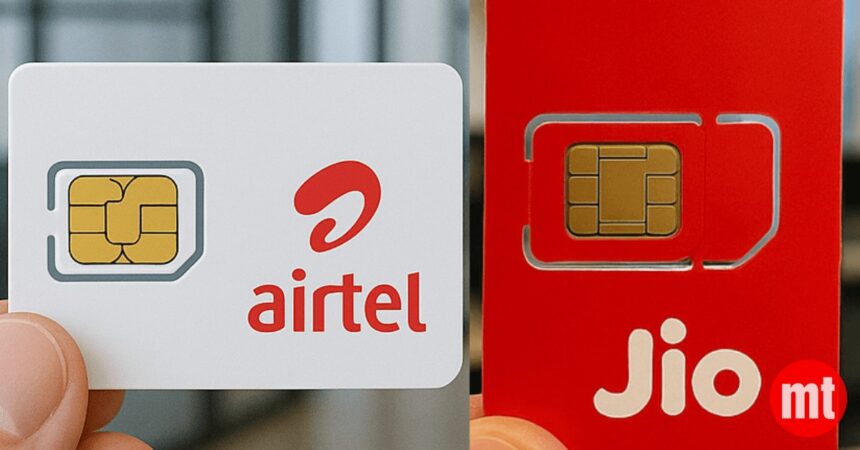
The Jio Airtel subscriber race has shifted dramatically in Delhi and Mumbai, with TRAI‘s April 2026 wireless data confirming Bharti Airtel is outpacing Reliance Jio in both metro circles. Net subscriber additions tell the story clearly. Airtel is gaining ground where it hurts Jio most — India’s two highest-revenue urban markets.
What You Need To Know
- TRAI’s April 2026 data shows Airtel recording stronger net subscriber additions than Jio in both Delhi and Mumbai telecom circles
- Reliance Jio retains overall national wireless subscriber leadership but is losing urban metro share to Airtel
- Delhi and Mumbai together represent two of India’s most lucrative telecom circles by average revenue per user
- Vodafone Idea continues to hemorrhage subscribers in both circles, with Airtel absorbing the bulk of those churned users
TRAI April 2026 Data Exposes the Real Jio Airtel Subscriber Race in Metro Circles
TRAI’s April 2026 wireless subscriber report shows Bharti Airtel pulling ahead of Reliance Jio in net additions across the Delhi and Mumbai telecom circles. The Jio Airtel subscriber race, long dominated by Jio at a national level, is fracturing at the metro tier. Airtel has been converting Vodafone Idea’s exiting base into paying postpaid and high-value prepaid customers, a segment where Delhi and Mumbai generate outsized revenue compared to smaller circles.

Why Does This Metro Shift Matter for India’s Telecom Revenue?
Delhi and Mumbai are not just population centers. They anchor premium ARPU figures for every operator. Airtel’s gains in these two circles directly strengthen its blended revenue per user, while Jio absorbs the impact of slower urban net additions. The Jio Airtel subscriber race in metro circles carries disproportionate financial weight because postpaid penetration, enterprise customers, and 5G-heavy users are concentrated in these geographies. A sustained trend here could narrow Jio’s ARPU gap with Airtel faster than national subscriber totals would suggest.
Vodafone Idea’s accelerating churn is shaping the contest. Subscribers leaving Vi in Delhi and Mumbai are not choosing randomly. TRAI data patterns from early 2026 suggest Airtel is capturing a higher share of that migration than Jio, particularly among users upgrading to 5G handsets. Reliance Jio still commands a formidable installed base across Tier 2 and Tier 3 cities, but the competitive pressure in metros creates a quality-versus-quantity question that Jio’s management will need to address in upcoming quarterly disclosures.
“Airtel has been extremely disciplined about which subscribers it wants, not just how many. In high-ARPU circles like Delhi and Mumbai, that strategy is paying off in the numbers.” — Industry Expert, Telecom Sector
What Happens Next in the Battle for Delhi and Mumbai?
Analysts will watch TRAI’s May and June 2026 data releases closely to confirm whether Airtel’s metro momentum is a structural shift or a short-term blip. The Jio Airtel subscriber race in premium circles is likely to intensify as both operators expand 5G coverage depth inside Delhi and Mumbai, moving beyond populated corridors into residential and industrial zones. Jio’s response may come through aggressive bundling on its JioFiber and JioAirFiber products, cross-selling fixed broadband to retain mobile wallet share among urban households already on its network.
Sources: GSMA ↗ | TRAI ↗ | Ericsson ↗ TelecomTalk — TRAI Data Shows Jio Losing Ground to Airtel in Delhi and Mumbai’s Subscriber Race
People Also Ask
- Who is winning the Jio Airtel subscriber race in 2026? Airtel is winning in Delhi and Mumbai metro circles based on TRAI’s April 2026 net addition data, though Reliance Jio retains overall national wireless subscriber leadership across all telecom circles in India.
- Why is Airtel gaining subscribers over Jio in metro cities? Airtel is capturing a large share of Vodafone Idea’s churning base in Delhi and Mumbai, particularly among premium postpaid and 5G-device users who represent high average revenue per user value.
- How will Jio respond to losing ground in Delhi and Mumbai? Jio is expected to use JioFiber and JioAirFiber cross-sell strategies and competitive 5G bundling to retain urban subscribers, with any formal response likely visible in TRAI data by mid-2026.