

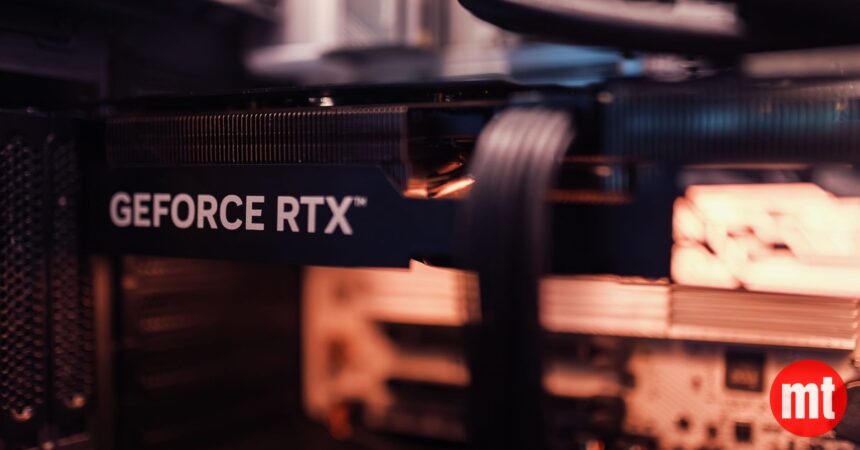
The GeForce Now India launch brings 5K cloud gaming resolution to Indian subscribers for the first time, putting console-quality visuals on any device with a decent internet connection. Nvidia’s entry into the Indian cloud gaming market in 2026 gives millions of PC and mobile gamers access to high-end titles without buying expensive hardware. With tiered pricing starting under ₹500 per month, the value proposition targets budget-conscious gamers who already own Steam or Epic Games libraries.
Quick Specs & Highlights
- Up to 5K resolution streaming with RTX 4080-class cloud servers
- Plans starting at ₹299/month (Free tier available)
- Connects to existing Steam, Epic Games, and Ubisoft Connect libraries
- Available in India from 2026 across PC, Mac, Android, iOS, and Smart TVs
What Makes the GeForce Now India Launch Stand Out From Every Other Cloud Gaming Option
The GeForce Now India launch does not require players to purchase a separate game catalog. Subscribers stream titles they already own on Steam, Epic Games Store, or Ubisoft Connect, which removes the biggest financial barrier of rival services. Nvidia’s cloud servers deliver up to 5K resolution at 240fps on the Ultimate tier, running on virtual RTX 4080 GPUs. That spec is simply not available on any competing cloud gaming platform operating in India right now.

How Does the GeForce Now India Launch Compare to Xbox Cloud Gaming and PlayStation Now?
Xbox Cloud Gaming, bundled with Game Pass Ultimate at roughly ₹699/month in India, requires subscribers to pay for Microsoft’s proprietary library. PlayStation’s cloud streaming remains unavailable as a standalone product in India as of 2026. The GeForce Now India launch undercuts both by letting users leverage purchases they made years ago. The free tier streams at 1080p/60fps with session limits, while the Priority tier at ₹299/month raises that ceiling to 1440p and removes queue wait times entirely.
The Ultimate tier at ₹1,099/month targets hardcore PC gamers and streamers who want 5K output and RTX ray tracing without a ₹1.5 lakh desktop build. Casual gamers who play titles like Fortnite or GTA V a few hours weekly can stay on the free or Priority tier without spending heavily. Mobile-first gamers running Android devices on 5G connections will find the Android app particularly useful, since high-refresh gaming on mid-range phones becomes viable through server-side rendering.
“Nvidia’s model of connecting to existing game libraries is exactly what the Indian market needed. Gamers here are price-sensitive but already have substantial Steam libraries. GeForce Now removes the hardware bottleneck without asking them to repurchase content.” — Market Analyst, IDC India Gaming Practice
Availability & Verdict
The GeForce Now India launch is live across PC, Mac, Android, iOS, and select Smart TV platforms starting in 2026. Free tier users get 1080p streaming with one-hour session caps. Priority subscribers pay ₹299/month for 1440p and six-hour sessions. The Ultimate plan costs ₹1,099/month for 5K and 240fps. For anyone with a Steam library larger than 20 titles, Priority tier is an easy recommendation. Only buy Ultimate if competitive high-refresh gaming or content creation is your priority.
Sources: ITU ↗ | DOT ↗ | COAI ↗ Gadgets360 — Nvidia GeForce Now India Pricing and Plans
People Also Ask
- What are the GeForce Now India launch subscription prices? Nvidia offers three tiers in India: a Free plan, a Priority plan at ₹299/month with 1440p streaming, and an Ultimate plan at ₹1,099/month that delivers up to 5K resolution and 240fps on RTX 4080-class servers.
- Do you need to buy new games to use GeForce Now in India? No. GeForce Now streams games from libraries subscribers already own on Steam, Epic Games Store, and Ubisoft Connect. Nvidia does not sell a separate game catalog, which significantly reduces the total cost of entry for Indian gamers.
- What internet speed do you need to run GeForce Now at 5K in India? Nvidia recommends a minimum 35 Mbps connection for 1080p streaming and at least 65 Mbps for the Ultimate tier’s 5K output. Most urban Indian broadband and 5G connections in 2026 can meet the lower threshold comfortably.