

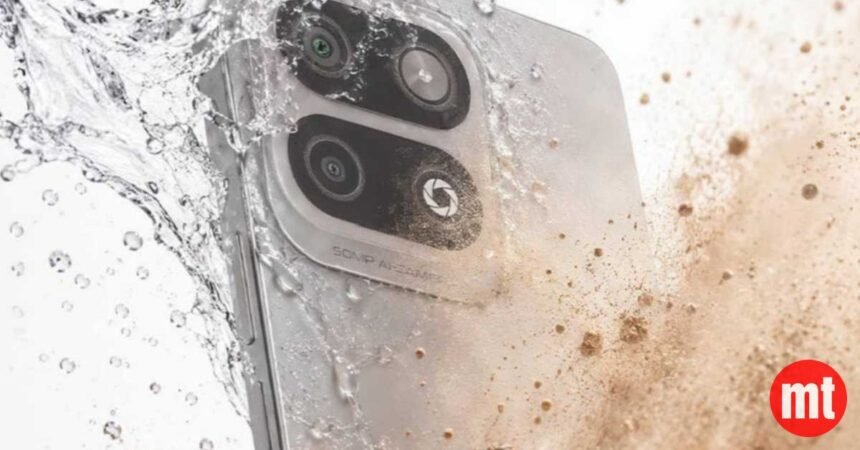
Lava Bold N4 Pro 5G is arriving with a confirmed India launch date, and the headline number buyers will notice first is its 5G connectivity priced squarely for the sub-₹15,000 segment. Lava, one of India’s few homegrown smartphone brands still competing at the entry-to-mid tier, is betting on domestic 5G adoption reaching critical mass in 2026. Budget-conscious buyers upgrading from 4G devices now have another Made-in-India option demanding serious attention.
Quick Specs & Highlights
- 5G connectivity with multi-band support targeting India’s expanding network rollout
- Expected launch price in the sub-₹15,000 segment, India-exclusive rollout
- Made-in-India positioning against Chinese rivals Redmi and Realme in the same bracket
- Official launch confirmed for 2026, with pre-launch registrations open on Lava’s website
What Makes the Lava Bold N4 Pro 5G Stand Out
The Lava Bold N4 Pro 5G enters a crowded sub-₹15,000 arena with a clear identity: a domestically assembled 5G handset from a brand that has been building phones in India since 2009. While exact processor details are pending full disclosure, early listings point to a MediaTek Dimensity-series chip capable of handling India’s SA and NSA 5G bands. The device is also expected to ship with a large-capacity battery exceeding 5,000mAh, a wide-angle rear camera array, and a 90Hz refresh rate display, specs that compete directly with the Redmi 14C 5G and Realme P1 5G.
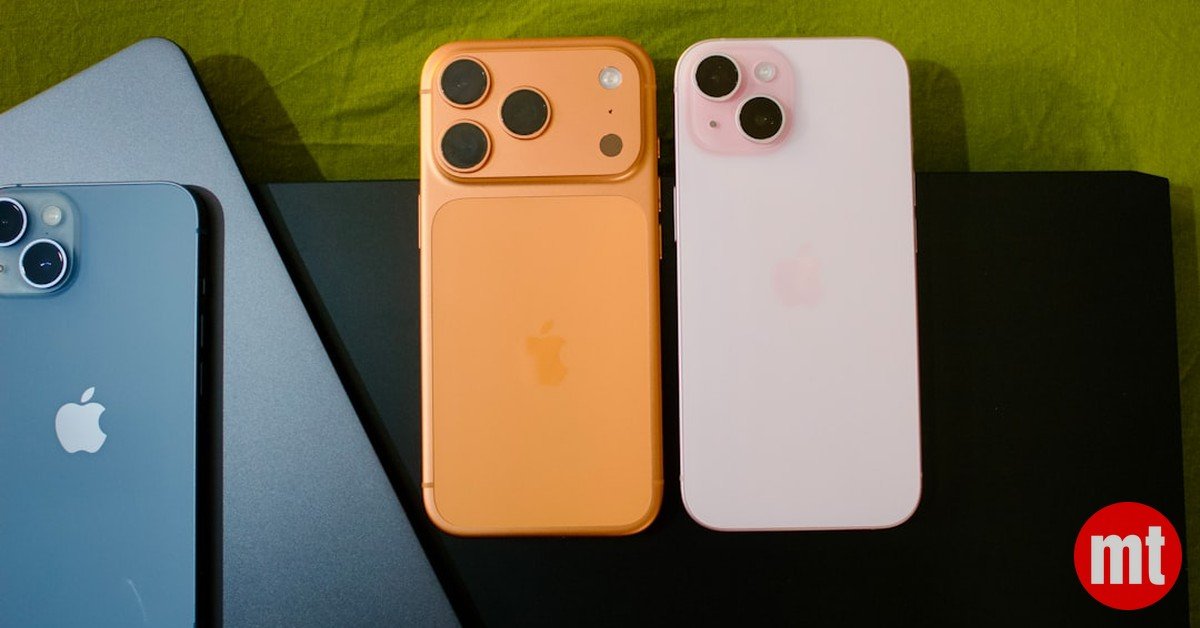
Is the Lava Bold N4 Pro 5G Worth Buying Over Redmi and Realme?
The Lava Bold N4 Pro 5G goes head-to-head with the Redmi 14C 5G, which starts at ₹10,999, and the Realme P1 5G at ₹11,999. Both rivals carry strong brand loyalty built over years of aggressive marketing in India. Lava’s pitch, beyond the patriotic “Made in India” badge, historically includes longer software support cycles and more accessible service centres in Tier 2 and Tier 3 cities, a real advantage for buyers outside metro areas who cannot easily reach a Xiaomi or Realme service hub.
Budget first-time 5G buyers in smaller cities are Lava’s clearest target demographic here. A student or first-job professional spending between ₹12,000 and ₹15,000 will find the Bold N4 Pro’s combination of 5G, a large display, and a recognisable Indian warranty network genuinely appealing. Power users who prioritise camera quality or MIUI-level software polish should look at the Redmi 14C 5G or Realme P1 5G instead, as those brands have more mature software ecosystems at this price point.
“Lava has identified exactly the right gap: brand-loyal Indian consumers in Tier 2 and Tier 3 markets who want 5G without spending ₹20,000 and who prefer buying from a domestic manufacturer with a reliable service footprint.” — Market Analyst
Availability & Verdict
The Lava Bold N4 Pro 5G is confirmed for a 2026 India launch, with pre-registration live on Lava’s official website. Sales are expected to go live through Lava’s own e-commerce portal and offline retail partners simultaneously, a dual-channel approach the brand used successfully with the Blaze series. At its anticipated price band, the handset offers a credible 5G entry point from a domestic brand. Buyers who prioritise service network reach and Indian origin over brand prestige will find this a sensible pick. Those chasing benchmark performance should wait for full spec confirmation before committing.
Sources: TRAI ↗ | ITU ↗ | Ericsson ↗ TelecomTalk: Lava Bold N4 Pro 5G India Launch Date Confirmed
People Also Ask
- What is the expected price of the Lava Bold N4 Pro 5G in India? The Lava Bold N4 Pro 5G is expected to launch in the sub-₹15,000 segment in India in 2026, making it a direct competitor to the Redmi 14C 5G and Realme P1 5G at similar price points.
- When does the Lava Bold N4 Pro 5G launch in India? Lava has officially confirmed the launch date falls in 2026. Pre-launch registrations are already open on Lava’s official website, with sales expected via both online and offline retail channels.
- How does the Lava Bold N4 Pro 5G compare to the Redmi 14C 5G? Both phones target the same budget 5G segment. Lava’s edge lies in its domestic service network and Made-in-India manufacturing, while Redmi offers a more mature software experience and wider brand recognition among urban buyers.