

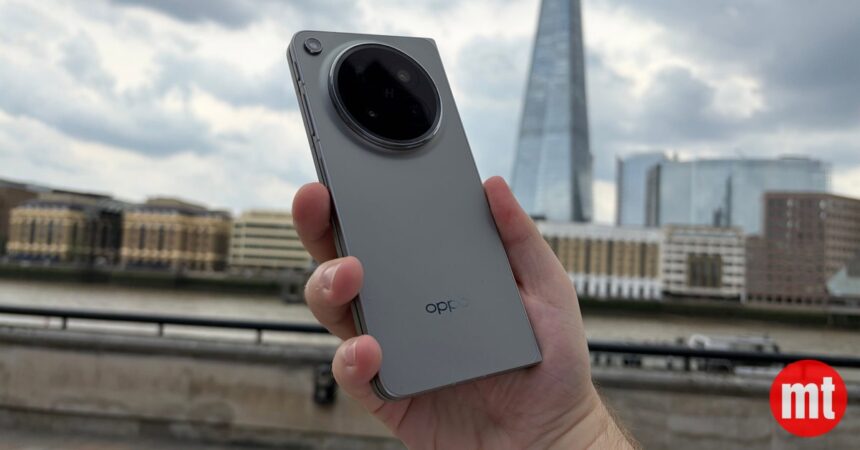
OPPO North Korean hackers have targeted the Chinese smartphone giant alongside hundreds of other companies in a sweeping cyber-espionage campaign, a security researcher revealed in 2026. The breach, linked to Pyongyang-backed threat actors, puts one of India’s top-selling phone brands squarely in the crosshairs of state-sponsored cybercrime. The scale is alarming.
What You Need To Know
- North Korean hackers breached OPPO and hundreds of other companies globally in an ongoing espionage campaign
- Security researcher Stuart McKenzie of Mandiant first identified OPPO on the victim list in 2026
- OPPO holds roughly 9% of India’s smartphone market, putting millions of Indian users at potential risk
- The hacking group, tracked as UNC2970, targets technology firms and telecom companies specifically for data theft
OPPO North Korean Hackers Breach: What the Researcher Found
OPPO North Korean hackers linked to the group UNC2970, believed to operate under North Korea’s Reconnaissance General Bureau, compromised OPPO’s internal systems along with hundreds of other technology and telecom companies worldwide. Security researcher Stuart McKenzie, working with threat intelligence firm Mandiant, flagged OPPO’s name on a breach victim list in early 2026. UNC2970 typically targets companies using spear-phishing attacks disguised as job recruitment offers, tricking employees into downloading malware-laced files. The group has been active since at least 2026 and focuses heavily on intellectual property theft.

Why This Hits India Hard
OPPO North Korean hackers targeting a brand with deep roots in the Indian market is not an abstract threat. OPPO ships millions of devices into India annually, running localised software builds, maintaining regional supply chain data, and storing customer information across Indian servers. A compromise of OPPO’s core systems could expose product roadmaps, pricing strategies, and internal communications relevant to Indian operations. Competing brands like Samsung, Xiaomi, and Vivo all operate in similarly interconnected ecosystems, meaning a breach at one major vendor can cascade into supplier and retail partner networks fast.
Telecom operators who pre-install OPPO software or bundle devices with network plans face a separate exposure. Carriers like Jio, Airtel, and Vi have commercial agreements with OPPO that involve shared data flows, co-branded software, and joint marketing databases. If UNC2970 exfiltrated commercial contract data or software signing keys during the breach, the downstream risk for Indian telcos is real and immediate. India’s CERT-In has not yet issued a formal advisory, but security firms advising Indian enterprises say they expect one shortly after the 2026 disclosure went public.
“State-sponsored actors from North Korea are no longer just targeting defence or finance sectors. They are going after consumer tech companies specifically because the intellectual property value is enormous and the internal security posture is often weaker than a bank.” — Industry Expert, Telecom Sector
What Happens Next for OPPO and the Industry
OPPO has not confirmed the breach publicly as of the time of publication, and Mandiant’s disclosure puts pressure on the company to respond fast. Expect OPPO to issue a formal statement within days, given the reputational stakes in key markets like India. Regulators in the European Union have already begun asking questions. For Indian users, the practical risk right now centres on software updates and data held on OPPO’s cloud services. Security analysts tracking OPPO North Korean hackers activity say enterprises should audit any OPPO device enrolled in mobile device management systems immediately and watch for anomalous outbound data requests.
Sources: DOT ↗ | ITU ↗ | GSMA ↗ Android Authority, 2026; Mandiant Threat Intelligence (Google Cloud); CERT-In public advisories portal.
People Also Ask
- Who are the OPPO North Korean hackers behind this breach? The group is tracked as UNC2970, a threat actor tied to North Korea’s Reconnaissance General Bureau. Mandiant identified them as specialists in spear-phishing campaigns disguised as corporate job recruitment, targeting technology and telecom firms globally for intellectual property theft.
- Are Indian OPPO smartphone users at risk from the North Korean hack? Directly, the risk is low for individual consumers right now. The breach appears focused on corporate data and IP. Indian users should keep devices updated and monitor for unusual activity on OPPO accounts or cloud-linked services as a precaution.
- How can Indian companies protect themselves from UNC2970 attacks? Security firms recommend enforcing strict email attachment policies, training staff to identify fake job-offer phishing attempts, auditing OPPO devices on corporate networks, and monitoring outbound traffic for anomalies. Enterprises should also contact Mandiant or CERT-In directly for the latest indicators of compromise.