

Jio 5G network slicing is now at the centre of a major regulatory battle, with Reliance Jio formally defending the technology in a direct submission to the Department of Telecommunications in 2026. The telecom giant is pushing back against sceptics inside the DoT who question whether network slicing should be permitted at commercial scale. The stakes are high, and the clock is ticking.
What You Need To Know
- Reliance Jio submitted a formal defence of 5G network slicing to DoT in 2026, citing enterprise revenue potential
- Multiple sources confirm the submission argues slicing is critical for India’s B2B 5G monetisation strategy
- Rival operators Airtel and Vi are watching the DoT’s response closely before filing their own positions
- A final DoT ruling could arrive before Q3 2026, reshaping how India’s 5G spectrum is commercially deployed
Jio 5G Network Slicing Gets a Direct Defence Before DoT in 2026
Reliance Jio filed a detailed submission with the Department of Telecommunications in early 2026, explicitly defending Jio 5G network slicing as a lawful and commercially necessary feature of its 5G rollout. Multiple sources with direct knowledge of the filing confirmed the move to The Mobile Times. Jio’s submission argues that network slicing is inseparable from the 3GPP 5G NR standard itself, making any restriction on the technology effectively a restriction on 5G as a whole. The company wants regulatory clarity before scaling enterprise contracts further.
Why Is Jio 5G Network Slicing Critical for India’s Enterprise Economy in 2026?
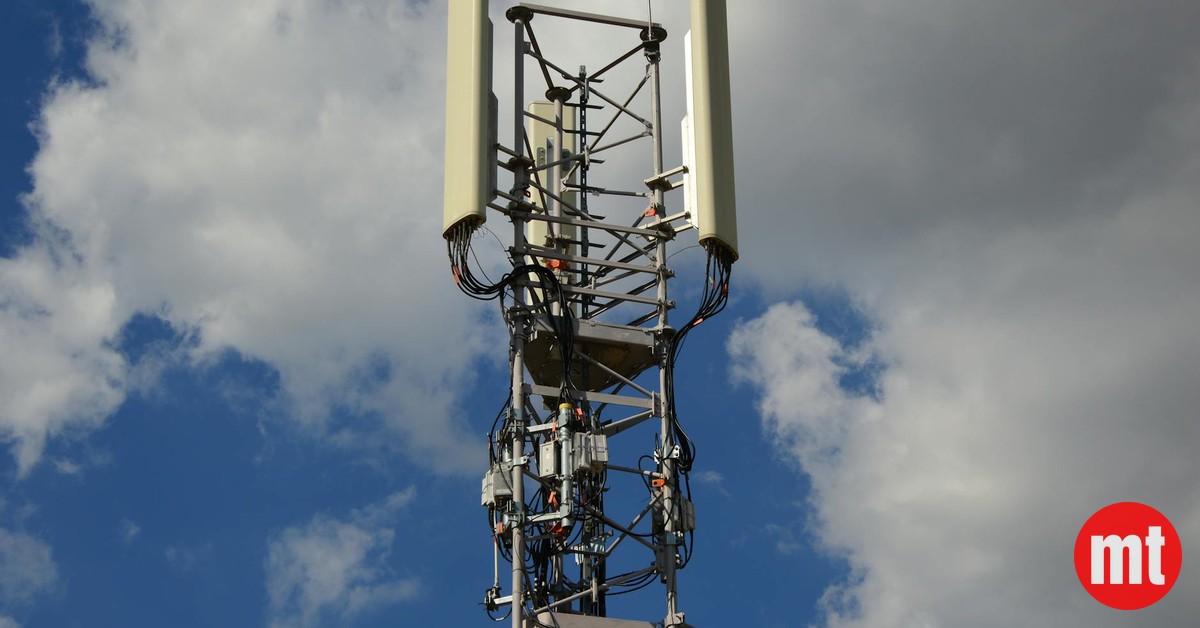
Jio 5G network slicing is the technical backbone behind differentiated service tiers that large enterprises, hospitals, ports, and manufacturers need from a private 5G deployment. Without regulatory approval, Jio cannot legally offer guaranteed low-latency slices to clients like large automotive plants or financial trading floors that require deterministic network performance. Blocking slicing would effectively cap 5G at a consumer broadband upgrade rather than a full industrial transformation, costing India billions in potential B2B 5G revenue over the next three years.
Airtel has separately built slicing demos into its enterprise pitch decks. Vodafone Idea, still fighting for financial survival, has slicing capabilities sitting dormant in its Nokia and Ericsson network equipment. A DoT ruling that restricts or conditions slicing will hit all three operators, but Jio, which has already deployed 5G across more than 10,000 towns, faces the largest immediate commercial exposure. Spectrum utilisation efficiency drops sharply when slicing is disabled, meaning capital already spent on 5G infrastructure delivers lower returns per unit of spectrum.
“Network slicing is not a value-added feature operators invented. It is written into the 3GPP standard. Asking a telco to remove it is like asking a highway authority to ban lane markings.” — Industry Expert, Telecom Sector
What Happens Next at DoT and When
DoT is expected to circulate an internal consultation note on network slicing policy before June 2026. Jio 5G network slicing proponents inside the industry want the department to adopt a light-touch framework, modelled on TRAI‘s earlier quality-of-service regulations, rather than a blanket restriction. Watch for Airtel and Vi submissions over the next four weeks. If DoT aligns with Jio’s position, commercial B2B slicing contracts could accelerate in the second half of 2026, particularly in manufacturing corridors under the government’s PLI scheme.
Sources: ITU ↗ | DOT ↗ | Ericsson ↗ TelecomTalk (https://telecomtalk.info/jio-defends-5g-network-slicing-submission-dot/1007867/), Multiple industry sources with direct knowledge of the DoT filing.
People Also Ask
- What is Jio 5G network slicing and how does it work? Jio 5G network slicing divides a single physical 5G network into multiple virtual networks, each with dedicated bandwidth and latency guarantees. Enterprises get isolated, performance-assured connectivity without building separate physical infrastructure, all managed through software-defined controls on Jio’s core network.
- Why is Jio defending 5G network slicing before the DoT in 2026? Regulatory uncertainty at DoT is blocking large-scale commercial deployment. Jio filed its submission to establish that slicing is a standard 3GPP 5G feature, not a proprietary add-on, so the government treats it as a baseline capability rather than a separately licensed service requiring new approvals.
- How will DoT’s decision on network slicing affect Indian enterprises in 2026? A favourable ruling will let factories, hospitals, and ports buy guaranteed 5G performance tiers from Jio, Airtel, or Vi. A restrictive ruling will delay private 5G enterprise contracts, push companies toward costlier private spectrum options, and slow India’s industrial digitisation targets under the PLI scheme.