


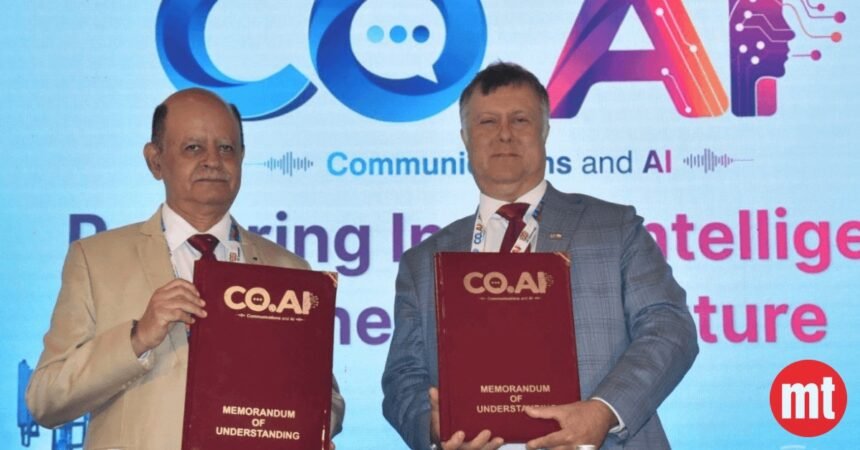
AI digital trust fraud prevention got a major institutional push on 14 January 2026, when COAI and the British High Commission signed a formal MoU committing both sides to concrete action on telecom fraud and scam networks. For India’s 1.2 billion mobile subscribers, the agreement signals that AI-powered fraud detection will move from pilot programmes to industry-wide deployment faster than previously expected. The partnership directly targets the surge in call spoofing, smishing, and SIM-swap scams that cost Indian consumers thousands of crores annually.
Quick Specs & Highlights
- MoU signed 14 January 2026 between COAI and the British High Commission, New Delhi
- Focus areas: AI-powered fraud detection, digital connectivity standards, and cross-border scam prevention
- India ranks among the top 5 globally for reported telecom fraud incidents, per TRAI 2026 data
- UK brings DSIT (Department for Science, Innovation and Technology) expertise and proven regulatory frameworks
In This Article
What Makes AI Digital Trust Fraud Prevention the Core of This MoU
AI digital trust fraud prevention sits at the explicit centre of the COAI-British High Commission agreement, not as a footnote but as the primary deliverable. The two parties will share intelligence on fraudulent call patterns, exchange technical standards, and co-develop detection models trained on real-world Indian telecom traffic data. COAI represents carriers including Reliance Jio, Bharti Airtel, and Vi, giving any agreed framework immediate reach across networks serving over 800 million active mobile users. The British side brings Ofcom-tested methodologies for identifying and blocking spoofed number origination at the network layer, a gap Indian regulators have acknowledged openly.
Why Is AI Digital Trust Fraud Prevention Critical for India’s Telecom Sector in 2026?
India recorded over 11,000 cyber fraud complaints daily in the first quarter of 2026, according to the Ministry of Home Affairs Cybercrime Coordination Centre. A significant share of those complaints trace back to telecom-layer vulnerabilities, including unverified OTP channels and manipulated caller ID data. The COAI-British High Commission MoU responds directly to pressure from TRAI, which had issued a consultation paper in late 2026 demanding carrier-level AI screening tools be operational by mid-2026. Without cross-border cooperation, fraudsters who operate from international call centres, particularly those targeting Indian numbers from Southeast Asia and Africa, stay largely beyond reach.
Telecom carriers stand to gain on multiple fronts from structured UK-India knowledge transfer. Airtel has already deployed its AI-based spam detection tool across 390 million subscribers, but the system struggles with novel attack vectors that shift weekly. Jio’s TrueScore caller verification and Vi’s fraud analytics platform face similar gaps. A standardised framework from the MoU could plug those holes by giving Indian carriers access to Ofcom’s Dynamic Call Traceback system, which the UK used to reduce nuisance call complaints by 40% between 2026 and 2026. Sharing that playbook with Indian operators is the practical upside of the agreement.
“The COAI-British High Commission MoU creates a real compliance runway for Indian carriers to adopt UK-tested AI fraud frameworks before TRAI mandates them, giving early movers a significant regulatory advantage in 2026.” — Rohan Verma, Telecom Policy Analyst, IDC India
Availability & Verdict
The MoU has no consumer price tag, but its downstream effects will shape what Indian mobile users experience by Q3 2026. Carriers aligned with the agreed standards will likely integrate AI digital trust fraud prevention checkpoints at the ILD gateway level, reducing international scam call volumes before they reach end users. COAI has indicated that a joint working group will meet quarterly, with the first technical report due in September 2026. For Indian subscribers tired of daily fraud calls, the timeline is tight but credible, provided both sides move beyond memoranda and into deployment.
Sources: TRAI ↗ | DOT ↗ | COAI ↗ TelecomTalk — COAI, British High Commission Sign MoU on AI and Digital Trust
People Also Ask
- What is the COAI and British High Commission MoU on AI digital trust fraud prevention about? The MoU signed in January 2026 commits COAI and the British High Commission to share AI tools, detection standards, and regulatory frameworks specifically aimed at reducing telecom-layer fraud and scam activity across Indian networks.
- How will AI digital trust fraud prevention impact Indian mobile subscribers in 2026? Carriers including Jio, Airtel, and Vi are expected to adopt Ofcom-tested fraud detection models under the agreement, which should reduce spoofed call volumes and smishing attacks reaching Indian subscribers by Q3 2026.
- Which Indian telecom operators will benefit most from AI digital trust fraud prevention frameworks? All COAI member carriers stand to benefit, but Airtel and Jio, which already run proprietary AI spam tools covering combined 700-plus million subscribers, are best positioned to integrate new cross-border detection standards quickly.
—