

MeitY removes e-rickshaw apps from Google Play and Apple App Store after seven battery management applications were found actively enabling the remote disabling of e-rickshaw batteries across India. The Ministry of Electronics and Information Technology issued formal notices to both Google and Apple in 2026, citing misuse of BMS (Battery Management System) tools to sabotage vehicles and extort operators.
What You Need To Know
- MeitY issued notices targeting 7 apps including BAT-BMS, SMART BMS, and LOSSIGY
- The apps allowed remote operators to lock or disable e-rickshaw batteries, stranding drivers
- Both Google Android and Apple iOS platforms received formal government removal orders
- E-rickshaws serve millions of last-mile commuters across Indian cities daily
MeitY Removes E-Rickshaw Apps: What Triggered the Government Crackdown
MeitY removes e-rickshaw apps after intelligence flagged that battery management tools were being weaponised against drivers. The seven apps, BAT-BMS, SMART BMS, LOSSIGY, and four others, gave remote operators the ability to cut power to e-rickshaw batteries mid-route. Drivers found their vehicles suddenly dead, with no recourse unless they paid up. Sources cited by ANI confirmed MeitY sent formal takedown notices to both Google and Apple in 2026, demanding immediate removal from their respective storefronts.

Why This Hits India’s EV Sector Hard
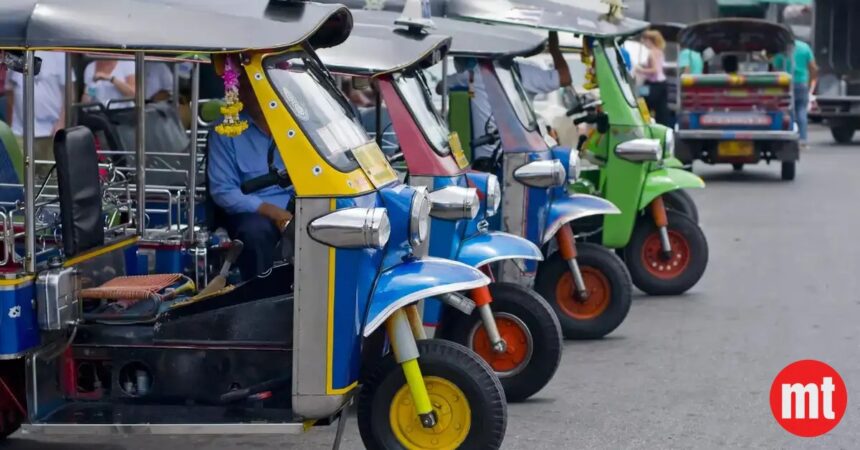
MeitY removes e-rickshaw apps at a moment when India’s electric three-wheeler segment is among the fastest-growing in the world. E-rickshaws operate in virtually every Indian city, from Delhi to Patna to Bhubaneswar, ferrying passengers on last-mile routes that no other transport mode covers affordably. Operators often purchase batteries on financing schemes, making them vulnerable to lenders or suppliers who hold BMS access credentials. The misuse of these apps struck directly at the livelihoods of hundreds of thousands of low-income drivers.
Battery management system apps are standard tools in the EV supply chain, designed for diagnostics, charge monitoring, and fleet oversight. The problem is structural. Suppliers and financiers retained admin-level app credentials after selling batteries to drivers, giving them kill-switch capability. Brands like LOSSIGY, which markets lithium battery products, saw their associated apps caught in the crackdown. The incident exposes a serious regulatory gap in how BMS app permissions are granted, transferred, and monitored across India’s informal e-vehicle financing networks.
“Remote battery disabling is effectively digital extortion. Any app that lets a third party immobilise a vehicle without the owner’s consent has no place on a public app store.” — Industry Expert, Telecom Sector
What Happens Next After the App Removals
With MeitY removes e-rickshaw apps now confirmed through formal notices, the immediate pressure falls on Google and Apple to comply swiftly. Neither platform publicly acknowledged a timeline as of the notice date in 2026. The Ministry is expected to follow up with guidelines on permissible BMS app functionalities, particularly around remote access controls. Regulators may also push for standardised ownership-transfer protocols when batteries change hands, closing the loophole that made this exploitation possible in the first place.
Sources: COAI ↗ | ITU ↗ | Ericsson ↗ Economic Times / ETtech; ANI (as cited in source report)
People Also Ask
- Why did MeitY remove e-rickshaw apps from Google and Apple stores? MeitY removed the apps because they were being misused to remotely disable e-rickshaw batteries, effectively stranding drivers and enabling extortion. Seven apps including BAT-BMS, SMART BMS, and LOSSIGY were named in the formal notices.
- Which apps did MeitY target in the e-rickshaw battery crackdown? MeitY’s notices covered seven apps. Confirmed names include BAT-BMS, SMART BMS, and LOSSIGY. All were battery management system apps that allowed third parties to remotely cut power to e-rickshaw battery packs without driver consent.
- How can e-rickshaw drivers protect themselves from remote battery disabling? Drivers should demand full BMS app credential transfer upon battery purchase. Avoid financing deals that retain supplier admin access. Report suspicious battery lockouts to local police and MeitY’s grievance portal immediately.
—