


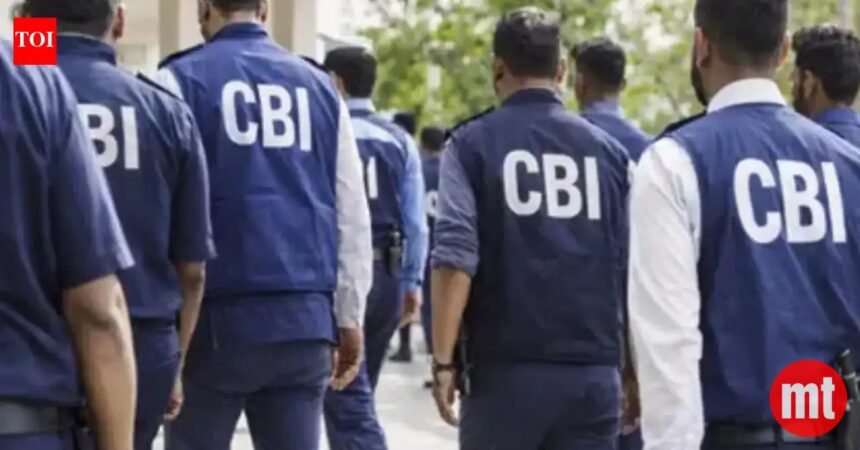
The CBI has smashed a pan-India digital arrest scam network in a sweeping crackdown across 16 states. Operation Chakra-VI hit 80 locations simultaneously in 2026, exposing a syndicate that impersonated government officials and built a fake Supreme Court website to extort victims. Investigators arrested two suspects who laundered approximately Rs 2 crore through shell companies and mule accounts.
In This Article
Key Highlights
- CBI raided 80 locations across 16 states under Operation Chakra-VI
- Suspects laundered approximately Rs 2 crore via shell companies and mule accounts
- Syndicate created a fraudulent Supreme Court website to deceive victims
How the Digital Arrest Scam Network Ran Across 16 States
The digital arrest scam worked by having fraudsters pose as CBI officers, customs officials, and narcotics agents on video calls. They told victims they faced imminent arrest unless they transferred money immediately. The gang backed these threats with forged court documents and a counterfeit Supreme Court website designed to look convincing. CBI teams fanned out across 80 locations in January 2026, seizing devices, financial records, and evidence linked to multiple layers of the syndicate’s operations.
Digital Arrest Fraud Exposes Telecom and Financial Network Vulnerabilities
The digital arrest fraud operation relied heavily on telecom infrastructure, using Voice over Internet Protocol calls and spoofed numbers to impersonate law enforcement. Fraudsters routed funds through a web of mule bank accounts before parking money inside shell companies, making tracing difficult. The scale of 80 simultaneous raids in 2026 points to how deeply embedded such syndicates have become across India’s telecom and digital payments networks. Financial intelligence units flagged at least Rs 2 crore in suspicious transactions tied directly to this gang.
“Cybercriminals are now weaponising citizens’ fear of law enforcement, and VoIP platforms give them cover to operate from anywhere in the country. Telecom providers must tighten KYC for bulk SIM issuance and flag abnormal call routing patterns in real time.” — Industry Analyst, Telecom Sector
What Happens Next
The CBI will interrogate the two arrested suspects to map the full syndicate structure behind the digital arrest scam. Investigators are expected to file chargesheets citing the Information Technology Act and Indian Penal Code sections related to fraud and impersonation. Additional arrests across multiple states are likely as forensic teams analyse seized mobile devices and financial data. The Department of Telecommunications may issue fresh advisories to telecom operators in early 2026 to block spoofed international call traffic used by similar rackets.
Sources: TRAI ↗ | COAI ↗ Times of India
People Also Ask
- What is a digital arrest scam in India? Fraudsters impersonate police or government officials on video calls, falsely threaten victims with immediate arrest, and demand money to “settle” fabricated legal cases.
- What is Operation Chakra-VI? Operation Chakra-VI is a CBI-led crackdown in 2026 targeting cybercrime networks. It covered 80 locations across 16 states, focusing on online fraud and money laundering syndicates.
- How can people protect themselves from digital arrest fraud? No government agency arrests citizens via video call. Hang up immediately, do not transfer money, and report suspicious calls to the National Cybercrime Reporting Portal at cybercrime.gov.in.