

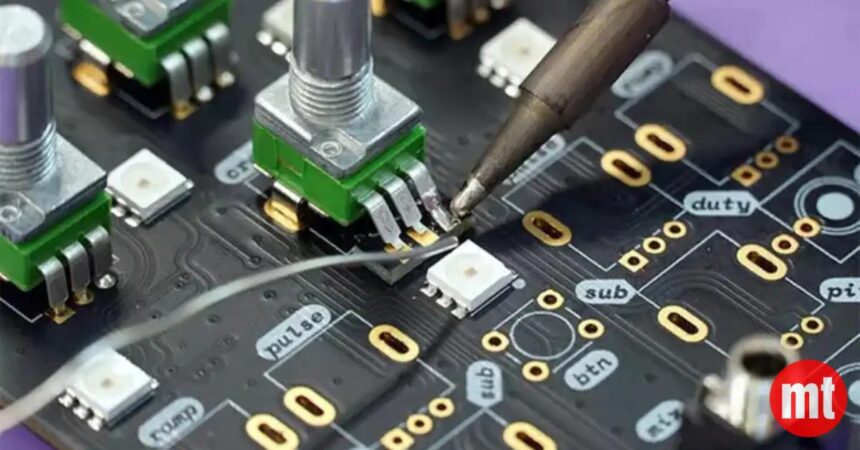
Xiaomi Xring O3 chip is here, and it puts the world’s third-largest smartphone vendor squarely in Apple and Samsung territory. Xiaomi unveiled the Xring O3 just one year after debuting its first proprietary processor, the Xring O1. TSMC will handle production, giving Xiaomi access to the same foundry powering chips from the biggest names in global tech.
In This Article
Key Highlights
- Xiaomi launched the Xring O3 in 2026, exactly 1 year after the Xring O1 debut
- TSMC confirmed as the manufacturing partner for the new Xring chip
- Xiaomi joins Apple, Samsung, and Huawei as smartphone brands with fully proprietary processors
Xiaomi Xring O3 Arrives 1 Year After the Brand’s First Proprietary Chip
Xiaomi launched the Xring O3 in 2026, moving at a pace that rivals have noticed. The Xring O1 arrived just twelve months ago, and Xiaomi has already pushed out a successor, signalling serious investment in silicon independence. For India, the world’s second-largest smartphone market, this matters. Xiaomi controls a major share of Indian device sales, and a homegrown chip supply chain could reduce the brand’s exposure to third-party processor shortages that have hit the industry hard.
TSMC Partnership Puts the Xring O3 in Elite Foundry Company
Xiaomi tapped TSMC to manufacture the Xring O3, a move that immediately signals premium fabrication standards. TSMC produces chips for Apple’s A-series and Qualcomm’s Snapdragon lines, so Xiaomi now shares a foundry with the most competitive processors on the planet. The partnership gives Xiaomi guaranteed access to advanced process nodes, which directly affects performance, power efficiency, and thermal output in devices shipping to Indian consumers in 2026. Qualcomm and MediaTek will feel competitive pressure from this deal.
“Xiaomi moving to a second-generation proprietary chip within a single year tells you the company is not experimenting. It is building a long-term silicon strategy that could reshape procurement decisions across mid-range and premium Android devices globally.” — Industry Analyst, Telecom Sector
What Happens Next
Xiaomi will integrate the Xring O3 into upcoming flagship devices expected to hit shelves through late 2026. Watch for announcements on which specific handsets carry the new chip first. The TSMC supply agreement positions Xiaomi to scale production quickly. Indian consumers should expect Xring O3-powered devices to arrive in the country within months of global launch, as Xiaomi consistently prioritises India as a day-one or near-day-one market for its top-tier hardware.
Sources: DOT ↗ | GSMA ↗ Economic Times
People Also Ask
- What is the Xiaomi Xring O3 chip? The Xring O3 is Xiaomi’s second proprietary smartphone processor, launched in 2026 and manufactured by TSMC. It follows the Xring O1, which debuted one year earlier.
- Who manufactures the Xiaomi Xring chip? TSMC is the manufacturing partner for the Xring O3. The Taiwanese foundry also produces chips for Apple and Qualcomm, placing Xiaomi alongside top-tier processor brands.
- How does the Xring O3 affect Xiaomi’s competition with Apple and Samsung? Proprietary chip development lets Xiaomi control hardware-software integration. Apple and Samsung already do this, and Huawei has pursued the same path, giving all four brands a distinct supply chain advantage.