

India’s mobile trade is changing fast. Phones cost more, fewer units are selling and offline shops are regaining share. This guide brings together the data and rules that matter most to retailers, distributors and accessory sellers, and it will be updated each quarter. Last checked: November 2, 2026.
The market in numbers
| Measure | IDC figure |
|---|---|
| June quarter shipments | 3.32 crore, down 11.1% |
| First half 2026 | 6.42 crore, lowest in five years |
| Average selling price | Record $315, up 14.4% |
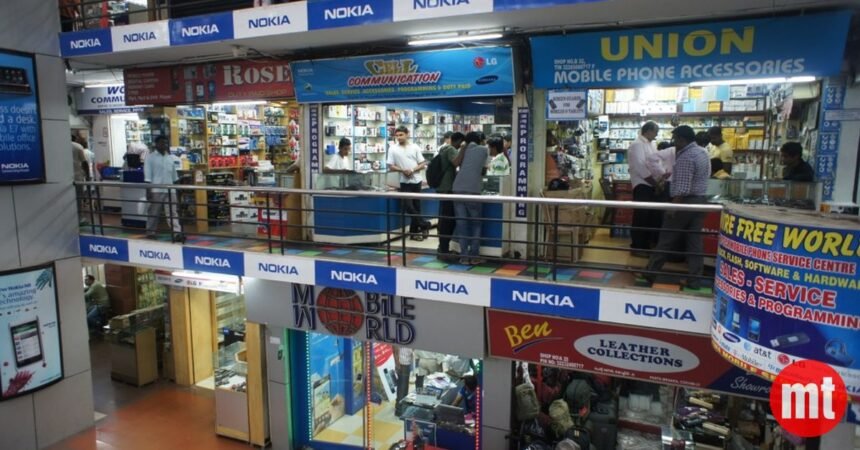
| Offline share | 58.1%, up from 53.6% |
| Online share | 41.9%, down from 46.4% |
| Phones under $100 | Down 74.3% |
| $400 to $600 phones | Up 60.3% |
IDC analyst Upasana Joshi summed it up: “Demand hasn’t gone away, people are simply waiting longer to buy.” IDC expects shipments to fall by more than 15% in the second half, taking the year to about 12.8 crore to 13 crore units.
Top brands
| Brand | Share | Change |
|---|---|---|
| vivo | 18.4% | -13.9% |
| Samsung | 16.4% | +0.4% |
| OPPO | 13.8% | -8.5% |
| Xiaomi | 9.7% | -10.0% |
| realme | 9.3% | -14.2% |
| Apple | 8.5% | +0.7% |
| Motorola | 8.2% | -8.9% |
These are IDC’s June quarter unit shares. Counterpoint’s own figures differ a little, and it named Nothing as the fastest-growing brand at 105%.
What this means for stock and cash
Entry-level phones have been hit hardest, because memory now makes up a much larger share of a cheap phone’s cost. Counterpoint says it rose from under 20% to over 45% under ₹15,000. Watch your stock of these models closely, and avoid overbuying on the hope that demand returns soon.
Prices may keep moving. AIMRA warned of further rises, and brands such as Samsung and OnePlus have raised prices this year. Stock bought earlier can be an advantage, but check dealer lists before quoting. Financing matters more now, with EMI covering over half of mainline sales, so keep your finance partners active.
Accessories and repairs
Chargers, power banks and adapters generally need BIS registration under the Compulsory Registration Scheme, and it is issued in the manufacturer’s name. Check for the BIS mark and registration number on what you buy and sell, and confirm the exact product category with your supplier. Unmarked stock is a legal and safety risk.
With people keeping phones longer, repairs and accessories may offer steadier income than entry-level phone sales, though we have no data on this yet. Never change an IMEI: the law prohibits it, and DoT has warned of up to three years in jail and fines up to ₹50 lakh for specified offences.
SIM sales and compliance
The nine-SIM limit came into force on August 24, with real-time checks due by November 30. Follow KYC strictly, never activate a SIM on someone else’s documents, and refuse requests that do not feel right. Our porting guide and recharge plans guide can help at the counter.
Getting found online
Offline buyers still search first. A free Google Business Profile with correct hours, photos and reviews helps people find your shop on Maps. Google and the Retailers Association of India have partnered on digital tools for small retailers, and a WhatsApp list of regular customers is a simple way to share offers, within spam rules.
What to watch next
Keep an eye on festive sales, more memory-led price rises, a possible tariff rise of 12% to 15%, and growth in home broadband. The Hindi print edition of The Mobile Times covers these subjects each month.
Frequently asked questions
Are offline phone sales growing?
Why are phones getting costlier?
Do chargers need BIS marking?
Can a shop change a phone’s IMEI?
Sources: IDC, Corpseed on BIS. This is general information, not legal advice.