

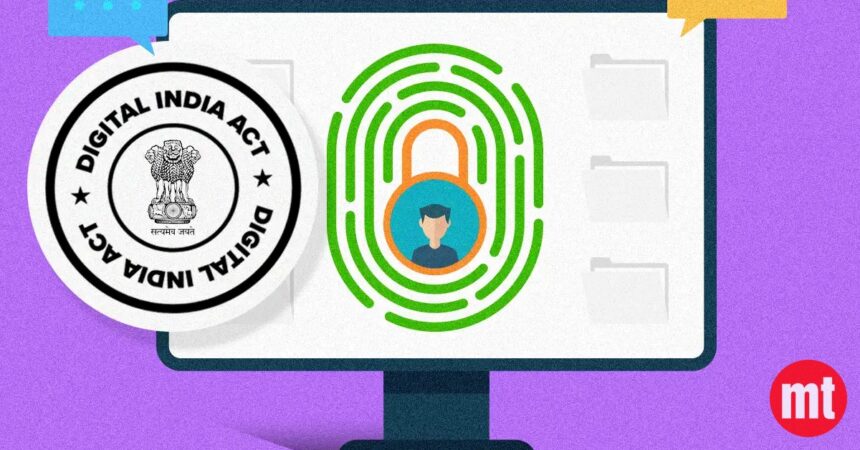
India’s Digital Personal Data Protection Act treats anyone under 18 as a child, and requires schools, coaching centres and online platforms to get verifiable parental consent before processing a child’s personal data.
The detailed duties sit in the DPDP Rules, 2025, and most apply from May 13, 2027. Law firm S.S. Rana & Co says a blanket line on an admission form does not meet the standard, because consent must be specific to each purpose and can be withdrawn. Details are based on S.S. Rana & Co.
What the rules say about children's data
| Area | Rule |
|---|---|
| Who is a child | Anyone under 18 |
| Consent | Verifiable consent from a parent or guardian, for each purpose |
| Banned | Tracking, behavioural monitoring and targeted advertising aimed at children, and processing that may harm their well-being |
| School exemption | Tracking is allowed where strictly needed for education, or for children's safety |
| School transport | Location may be tracked during travel, solely for safety |
| Enforcement | Data Protection Board of India |
This is a summary, not legal advice.
What parents can ask for
Parents and guardians can ask what data is collected, how it is used, who receives it and how long it is kept. They can ask for wrong data to be corrected, ask for it to be erased when it is no longer needed, and withdraw consent. Organisations must also check that the person giving consent is really an adult parent or guardian.
The Act provides for large financial penalties for failures on consent and security. Complaints that are not resolved can go to the Data Protection Board, which can investigate and impose penalties.
Why it matters for mobile shops and app users
Parents often install school, tutoring and game apps on a child’s phone with little thought. It helps to know that these rules are coming, and that apps will increasingly ask a parent to confirm consent. Shops collecting customer details, including those of young customers, should also start thinking about what they keep and why.
Correction (November 1, 2026): An earlier version of this article reported a breach affecting 24,000 minors. We could not find a source for that figure.